Why New Construction Homes Still Need a Baseline Chimney Inspection and Sweep
Moving into a brand-new construction home brings the exciting expectation of flawless systems and untouched, pristine structural components. However, assuming that a newly built fireplace and chimney venting system is completely safe to operate can be a dangerous oversight for a homeowner.
Even the most modern, newly completed properties are susceptible to hidden construction defects and installation oversights that happen during the hectic building process. Establishing a baseline professional assessment before lighting your very first fire safeguards your investment and ensures your household’s safety.
Removal of Hidden Construction Debris
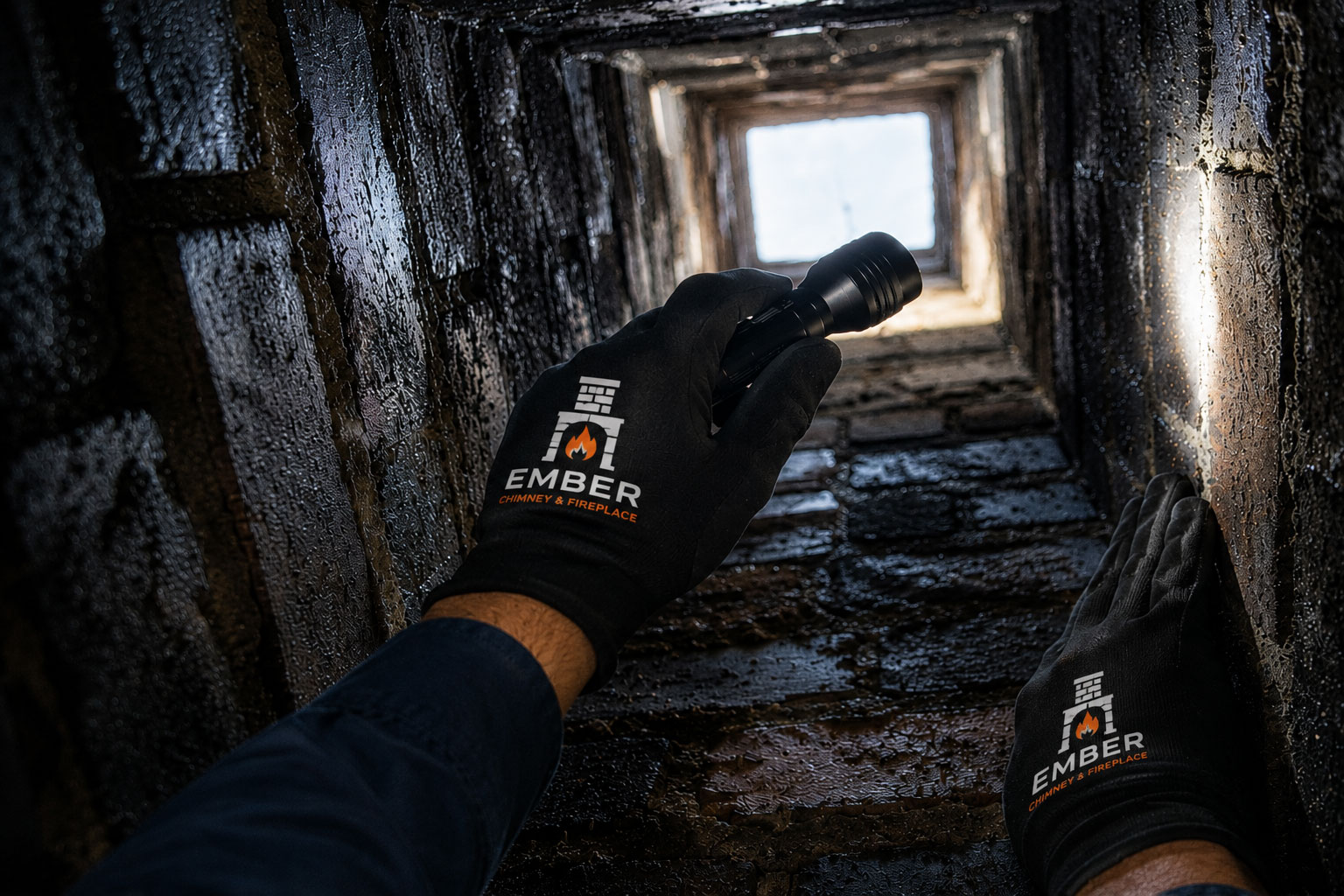
During the final phases of building a modern house, a variety of materials can accidentally fall or be swept into an open chimney flue. Trade workers busy finishing the roof or interior framing often overlook the open venting column, leaving behind hazardous blockages.
- Drywall scraps, wood shavings, insulation material, and packaging plastics are frequently dropped down the flue during the construction rush.
- Dropped mortar chunks from laying the upper brickwork can lodge inside the liner, severely restricting the natural exit path for toxic smoke.
- Combustible building materials left inside the venting system can easily ignite the first time you use your new fireplace.
Clearing out these accidental building remnants ensures that your exhaust system has an unobstructed path to vent heat and gases away from your living space.
Verification of Proper Component Installation
Even when a house passes standard municipal building inspections, specialized chimney components can still be improperly installed or omitted entirely. General building inspectors look at the home as a whole and rarely possess the specialized tools needed to examine the full interior of a flue.
- A baseline camera inspection verifies that individual clay liner tiles were properly aligned, sealed, and stacked without hazardous gaps.
- Technicians check that essential safety mechanisms, like the throat damper and smoke shelf, operate smoothly and seal completely.
- Proper clearances between the hot exterior chimney walls and the wooden framing of the house are verified to prevent future house fires.
Catching an installation error before the builder’s warranty expires saves you from paying out of pocket for structural corrections later on.
Addressing Initial Structural Settling
When a heavy new construction home is first built, the massive weight of the structure causes the soil beneath the foundation to shift and settle. This natural movement puts an immense amount of physical stress on rigid masonry systems and metal venting columns.
- Initial foundation settling can cause immediate hairline cracks to form in a newly poured concrete chimney crown or interior flue liner.
- Shifting framing can pull factory-built metal chimney joints apart, creating hidden gaps where sparks can escape into the attic.
- Early inspections identify if the chimney structure is pulling away from the main roofline as the house adjusts to the earth.
Monitoring how your new fireplace reacts to the first few months of structural settling prevents minor shifts from turning into major fire hazards.
Establishing a Professional Maintenance Baseline
Every fireplace accumulates soot and creosote at a unique rate based on its draft efficiency, layout, and the type of wood you choose to burn. Investing in an immediate professional baseline gives you an accurate point of reference for all future maintenance needs.
- An initial inspection establishes a record of your chimney’s perfect starting condition, making future wear and tear easy to track.
- Certified specialists can provide customized burning recommendations based on the specific draft dynamics of your newly built home.
- Having an official baseline report satisfies the strict maintenance documentation requirements often demanded by homeowner insurance policies.
Knowing the exact starting state of your heating system allows you to plan highly predictable and affordable yearly maintenance schedules.
Ensuring Proper Draft and Indoor Air Quality
Modern, energy-efficient homes are built to be incredibly airtight to reduce heating and cooling costs, which can drastically alter how a fireplace draws air. Without an initial diagnostic check, a new fireplace might struggle to vent correctly due to a lack of necessary fresh air.
- High-efficiency exhaust fans in nearby kitchens or bathrooms can overpower a new chimney, pulling smoke backward into your living room.
- A baseline check determines if your home requires an external combustion air intake to help fires burn clean and smoke-free.
- Testing the pressure balance inside a new build prevents invisible, odorless carbon monoxide gas from pooling in your residential spaces.
Optimizing your system’s draft performance ensures a clean, healthy, and exceptionally comfortable indoor environment for your family.
Protect Your Brand New Investment
Scheduling a baseline chimney inspection and sweep for your new construction property is a vital step in transitioning your house into a safe home. Taking a proactive approach before your first fire eliminates the hidden dangers left behind by busy building crews and structural shifting.
Ensuring the absolute integrity of your venting system gives you complete confidence as you enjoy your pristine new fireplace. Prioritizing this professional service today safeguards your property, protects your family, and secures your peace of mind for the long haul.