Why a Level 2 Chimney Inspection is Mandatory Before Selling or Buying a Home
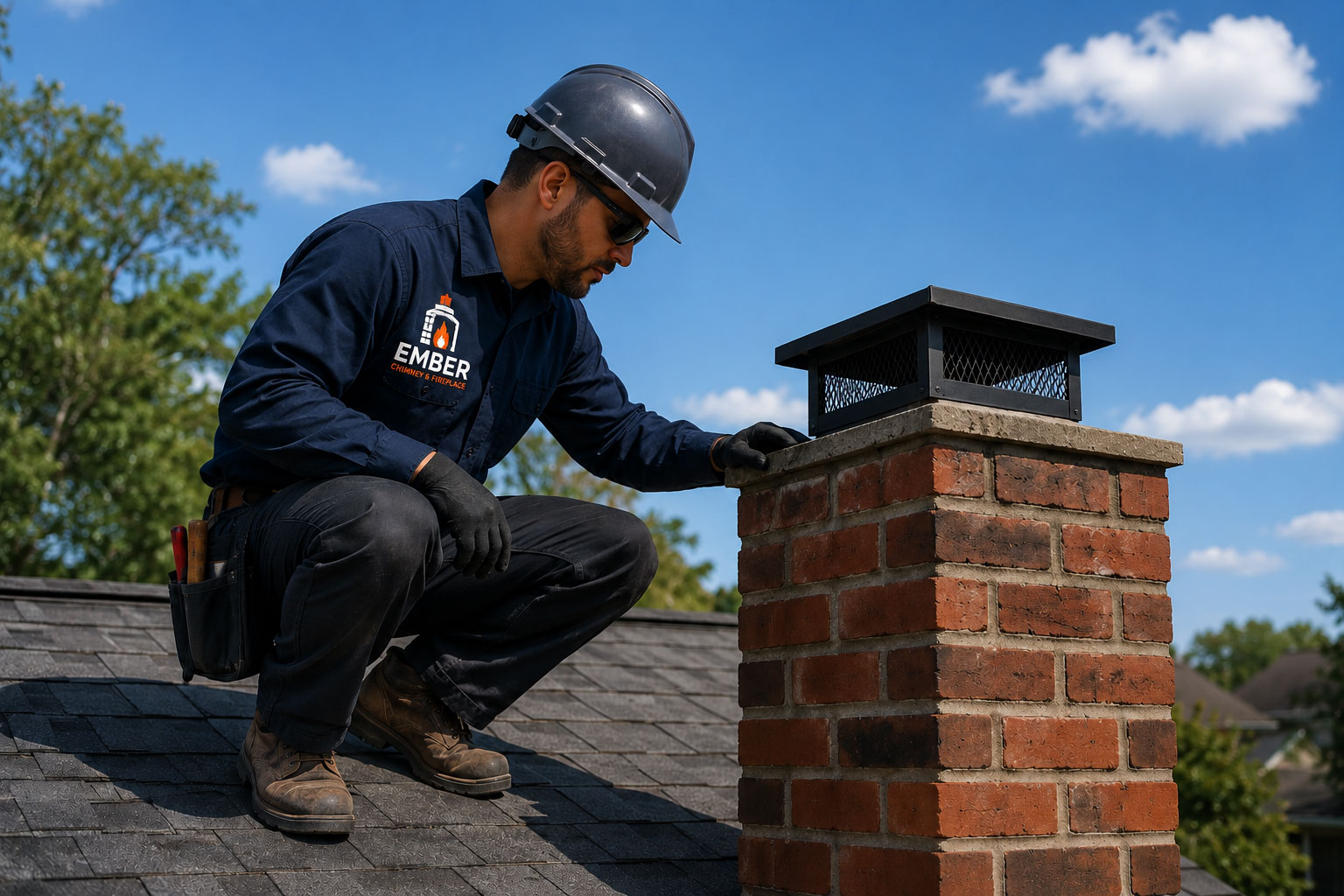
The transfer of residential property ownership requires a meticulous evaluation of all major structural and mechanical systems to ensure a fair and safe transaction. Among these critical systems, the fireplace and chimney venting column require specialized attention that goes far beyond a standard visual walkthrough.
According to national fire protection standards, a real estate transfer automatically triggers the necessity for an advanced evaluation known as a Level 2 chimney inspection. Requiring this higher tier of professional scrutiny protects both buyers and sellers from catastrophic financial liabilities and hidden structural safety hazards.
The Essential Role of Video Scanning Technology
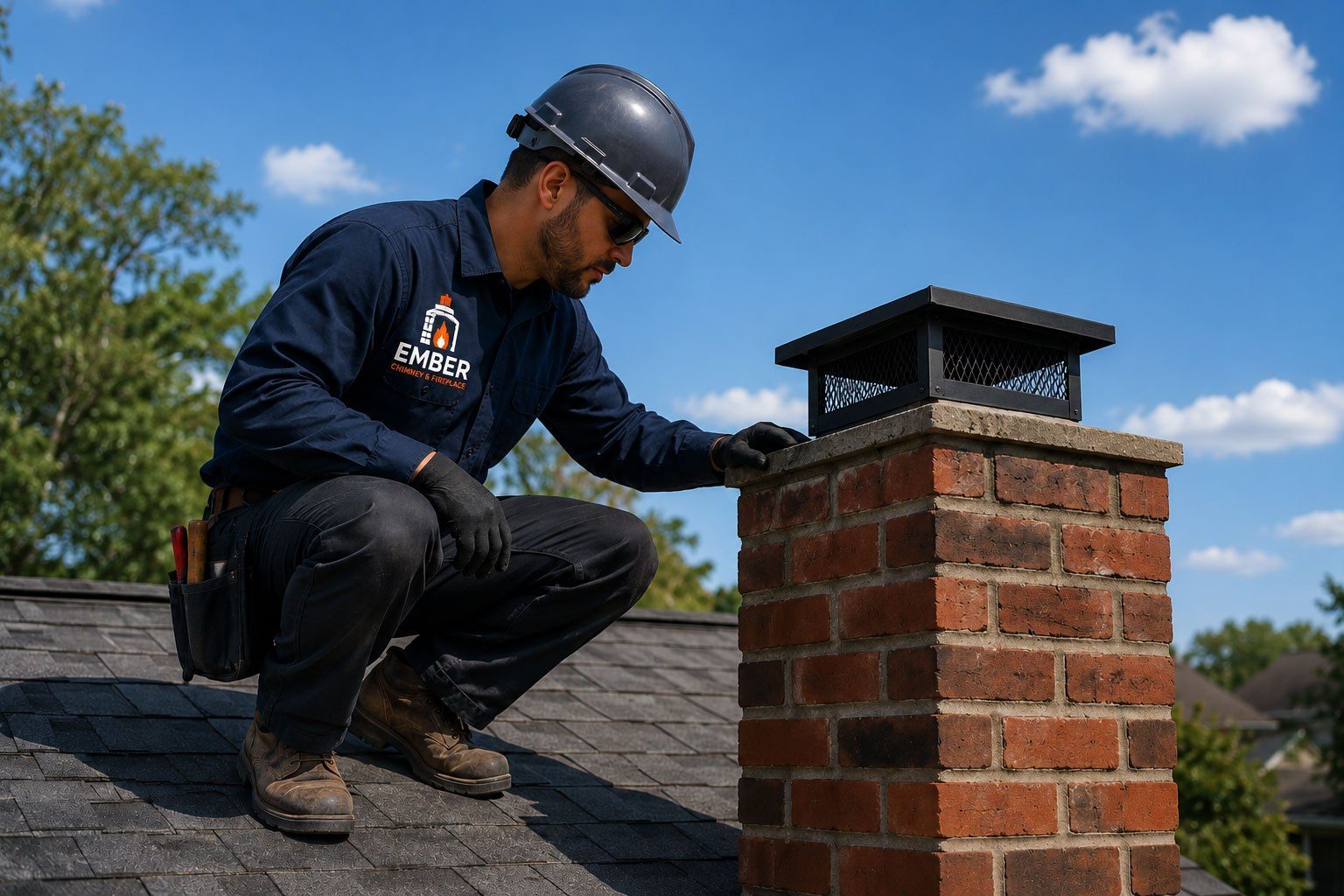
A standard home inspection only covers the visible exterior portions of the hearth, leaving the vast majority of the venting system completely unexamined. A Level 2 evaluation solves this problem by utilizing specialized video cameras that travel the entire length of the internal flue.
- Internal video scoping reveals hidden vertical cracks in clay tile liners that are impossible to spot from the hearth or the roofline.
- The camera captures missing mortar joints between liner sections where intense heat and sparks could escape into the home’s wooden framing.
- Video technology allows for a close-up examination of the structural transitions where the fireplace connects to the main chimney structure.
Using video diagnostic tools ensures that the deepest, most inaccessible parts of the venting path are thoroughly evaluated for safety before any papers are signed.
Satisfying National Fire Safety Mandates
The National Fire Protection Association explicitly dictates that a Level 2 inspection is a mandatory requirement upon the sale or transfer of a property. Failing to schedule this specific tier of service during a real estate transaction violates established industry safety protocols.
- Standard home inspectors are not certified or equipped to perform the comprehensive safety checks mandated by national fire codes.
- Abiding by the Level 2 standard ensures that the venting system complies with local building codes and modern safety regulations.
- Official documentation from a certified Level 2 inspection provides a legal shield of compliance for both parties involved in the sale.
Meeting these strict national standards ensures that the home is legally and structurally fit for immediate occupancy and safe operation.
Uncovering Costly Hidden Liabilities
A chimney that appears perfectly fine from the outside can harbor thousands of dollars in hidden structural damage within its internal walls. Discovering these severe masonry or liner failures after a real estate transaction closes can ruin a buyer’s budget or stall a seller’s closing timeline.
- The inspection identifies internal water damage, compromised chimney crowns, and crumbling brickwork that require immediate restoration.
- Pinpointing a cracked or shifting liner allows the parties to negotiate the cost of a replacement before final property pricing is locked in.
- Finding these issues early prevents the nightmare scenario of a new homeowner facing an unexpected, high-dollar structural emergency during their first winter.
Unearthing hidden interior defects transforms potential post-sale legal disputes into manageable, pre-closing negotiations.
Protecting Your Real Estate Investment
For buyers, a home is often the largest financial investment of their lifetime, making absolute structural certainty a top priority. For sellers, providing a certified inspection report prevents late-stage deal cancellations and builds immediate buyer confidence.
- Buyers gain the peace of mind that comes with knowing they will not inherit a condemned or hazardous heating system.
- Sellers can utilize a clean inspection report to justify their asking price and demonstrate a history of meticulous property maintenance.
- Lending institutions and homeowners insurance providers frequently require a passed Level 2 report before approving a mortgage or policy.
Investing in an advanced inspection safeguards your hard-earned equity and ensures a completely transparent business transaction.
Eliminating Toxic Gas and Fire Hazards
The primary purpose of a chimney liner is to safely contain intense heat, sparks, and highly toxic combustion byproducts like carbon monoxide. An uninspected, compromised flue can slowly leak these lethal hazards directly into the active living spaces of a household.
- The inspection verifies that the venting path is completely unobstructed by old creosote, bird nests, or collapsed masonry.
- Technicians confirm that the physical clearances between the chimney masonry and surrounding attic insulation meet strict safety margins.
- Ensuring the total integrity of the flue prevents accidental house fires caused by heat transferring through cracked interior walls.
Prioritizing a Level 2 evaluation directly protects the lives and physical health of everyone who will reside within the property.
Secure Your Real Estate Transaction with Confidence
Demanding a certified Level 2 chimney inspection before buying or selling a home is an indispensable step in the modern real estate process. Taking this proactive approach ensures that hidden structural flaws and severe fire hazards are brought to light well before property ownership changes hands.
Securing a comprehensive video evaluation eliminates financial guesswork and protects both parties from unexpected post-sale liabilities. Prioritizing this essential safety standard keeps your investment secure and guarantees that your new household remains entirely safe and functional from day one.